
I Wish I Had The Benefit Of A Marketing Mentor

I Wish I Had The Benefit Of A Marketing Mentor

Looking back to the start of my career over 25 years ago, I was fresh out of university, eager but inexperienced, and quickly thrown into the world of marketing. With just a Marketing Degree in hand, I found myself responsible for running campaigns on a range of projects, all without any real-world guidance.

I was full of questions, and there was no one to answer them:

  • “Is this the right way to do things?”
  • “Are these results good enough?”
  • “Is there a smarter, more effective approach?”

The answer I often got was, “You know marketing; just sort it.”

Hearing this was both a challenge and a huge weight on my shoulders. Without a mentor, I navigated through trial and error, learning from each stumble along the way.


But I often wondered: What if I’d had someone there to guide me?

Five years ago, I decided to step into that role myself—to become the mentor I once wished I’d had. It’s been incredibly rewarding to support other marketers as they grow, using my own experiences to help them avoid pitfalls and achieve their own potential.

Watching someone flourish with a bit of guidance is proof that with the right support, anything really is possible.

For a long time, I thought that asking for help was a sign of defeat. But the industry is shifting. Businesses now understand that investing in mentorship and fostering a supportive culture benefits everyone.


So, why does mentorship matter?

Today, I see the incredible value a mentor could have brought to my own career—offering advice, feedback, and the kind of wisdom that only comes with experience. After all, you don’t know what you don’t know.

If you’re just starting out, or if you’re working in a solitary marketing role, I can’t stress enough how impactful mentorship can be. I have a mentor myself, someone who keeps me accountable and helps me spot my blind spots.


Here are some valuable things I’ve learned—from having a mentor and being one:
  • Mentors provide insights that help you navigate the marketing landscape more effectively.
  • Regular interactions with a mentor can speed up your learning curve and sharpen your skills.
  • Mentors often open doors to new industry connections, expanding your professional network.
  • A mentor’s encouragement and understanding can be invaluable, especially in challenging times.


Could a Mentor Help Your Career?

Whether you’re starting your marketing journey or facing new challenges on your own, mentorship can be a powerful tool. If you’re wondering whether a mentor could make a difference in your career, we have the tool for you: SCOREAPP

Or sign up early to be apart of The Marketing Mentor Hub. A supportive and informative network of ambitious marketers getting together to grow, learn and excel. With resources that cover all areas of marketing, we have something for everyone.

Find out more here: https://creationzmarketing.co.uk/the-marketing-mentor-hub/
The Benefits of Email Marketing: It’s Not Dead—It’s Evolving

The Benefits of Email Marketing: It’s Not Dead—It’s Evolving

Despite the rise of social media, video marketing, and influencer trends, email marketing continues to be one of the most effective tools for small businesses. Need to update your email marketing database? We’ve got a blog to help you do just that! Learn how to build and own your own data rather than relying solely on social media connections.

If you’ve heard that email marketing is dead, think again. In reality, email is evolving, offering new opportunities for engagement, growth, and ROI.

In this post, we’ll explore the key benefits of email marketing for small businesses, dispel the myth that it’s outdated, and answer the pressing question: What actually is a good open rate?

Why Email Marketing Is Still a Powerful Tool

While other marketing channels come and go, email remains a direct and reliable way to reach your audience. Here’s why email marketing is still crucial for your business:

1. Direct Access to Your Audience

With email, you’re not at the mercy of ever-changing algorithms (like on social media). You can directly communicate with your customers in their inbox, giving you full control over your message and when they receive it.

2. Personalisation and Segmentation

Email allows you to segment your audience based on demographics, purchasing history, or engagement levels. You can send personalised messages that resonate with specific groups, leading to higher open rates and better results.

3. Automated Campaigns for Consistent Engagement

Automated email campaigns, such as welcome emails or abandoned cart reminders, work in the background, helping you nurture leads, convert prospects, and retain customers without requiring constant manual effort.

4. Cost-Effective with High ROI

For small businesses, email marketing is highly cost-effective. In fact, according to the Data & Marketing Association, email has an average ROI of £35 for every £1 spent—significantly higher than most other channels.

5. Measurable and Trackable

You can easily monitor the success of your campaigns with metrics like open rates, click-through rates, and conversions. This data-driven approach helps you refine your strategy and ensure your efforts are driving real results.

Email Marketing Isn’t Dead—It’s Evolving

Email marketing has come a long way from the days of generic bulk messaging. Modern email marketing is highly targeted, personalised, and automated. What’s more, with the rise of mobile usage, people are checking their emails on the go—making email even more relevant today than ever.

Contrary to what some might believe, email remains a preferred communication channel for most consumers. Recent studies show that 99% of consumers check their email daily (HubSpot), and for many, it’s still their preferred method of receiving updates from businesses.

FAQs: Frequently Asked Questions About Email Marketing

Email marketing can be a powerful tool, but knowing how to maximise its potential is key. Below are some common questions businesses ask about how to succeed with email marketing.

What Is a Good Open Rate for Email Marketing?

One of the most common questions businesses ask is, “What’s considered a good open rate?”

The answer can vary depending on your industry, but for most small businesses, an average open rate falls between 15% and 25%. If your open rate is higher than 25%, you’re performing above average, and anything over 30% is exceptional.

Factors influencing your open rate include:

  • Email subject lines: Clear, enticing subject lines help your emails stand out in crowded inboxes.
  • Personalisation: Emails that address the recipient by name or reference their recent activity tend to have higher open rates.
  • Time of day: Sending your emails at the right time—when your audience is most likely to check their inbox—can make a huge difference.
How Often Should I Send Email Marketing Campaigns?

When it comes to email marketing, one of the most common questions is, "How often should I be sending emails to my subscribers?" The answer depends on your audience and the type of content you’re offering.

For most small businesses, sending one to two emails per week is a good starting point. This keeps you top of mind without overwhelming your subscribers. However, consistency is key! If your audience expects a weekly newsletter, stick to that schedule. If you're running a promotion or event, sending more frequent updates makes sense.

Tips for Email Frequency:

  • Test different frequencies: Some audiences prefer fewer emails, while others are happy with regular updates.
  • Look at your engagement data: If open rates and click-through rates drop, you might be sending too often.
  • Provide value: Every email should offer something of interest, whether it’s a special deal, helpful information, or an exciting announcement.

Remember, it’s all about finding the right balance for your audience.

What Makes a Good Email Marketing Campaign?

People often ask, "What does a good email marketing campaign look like?" A good campaign combines the right content, design, and timing to create something that not only catches the reader's attention but also encourages them to take action.

Here are the key elements of a great email marketing campaign:

  • Strong Subject Line: Your subject line is the first thing people see. Make it clear, enticing, and relevant to the email content. Keep it short—ideally under 50 characters.

  • Engaging Content: Whether you’re promoting a product, sharing a blog post, or offering a discount, the content should be engaging, relevant, and helpful to your audience.

  • Clear Call to Action: Tell your readers exactly what you want them to do—whether it's clicking a link, booking a call, or making a purchase. Make the call to action easy to find and compelling.

  • Responsive Design: With so many people opening emails on their phones, your design must look great on mobile devices. Test it out on different devices before sending.

  • Optimised Sending Time: The timing of your campaign matters. Try to send your emails when your audience is most likely to be checking their inbox—usually mid-morning during the workweek.

A good email campaign builds a connection with your subscribers and encourages them to engage with your brand in a meaningful way.

How Do I Build An Email List?

Building an email list is crucial for any business, but the best approach can vary depending on your industry. Below, we've outlined strategies tailored to different types of businesses—whether you're in B2B, professional services, or consumer-focused industries, these tips will help you grow your list and engage your audience.

B2B Email List Building: Offering Value for Lead Generation

  • In B2B, building an email list is all about offering valuable content that addresses the specific needs of potential clients.
  • Resources like whitepapers, industry reports, or case studies can be gated, requiring users to provide their email in exchange. Webinars, in-depth blog content, and tools such as downloadable templates can also drive sign-ups.
  • This approach positions your business as a thought leader while providing actionable solutions.


Professional Services: Building Trust and Expertise with Email Marketing

  • For professional services such as solicitors or accountants, building an email list is best achieved through the distribution of educational resources.
  • Free guides on legal or financial topics, access to exclusive webinars, or regular newsletters sharing important updates can encourage sign-ups.
  • These clients are typically looking for trustworthy, expert advice, so your email content should focus on building credibility and offering practical, easy-to-understand guidance.


B2C Email List Growth: Incentives to Attract and Engage Consumers

  • In B2C businesses, email list growth is often driven by attractive incentives.
  • Offering a discount, free gift, or early access to sales in exchange for an email sign-up is a proven method. Pop-ups, promotional banners, and social media call-to-actions highlighting these benefits can help capture consumer attention.
  • Regularly engaging your subscribers with exclusive offers and personalised recommendations keeps them loyal and encourages repeat business.

Conclusion: Don’t Give Up on Email Marketing

Email marketing is far from dead. It remains a versatile, cost-effective, and powerful tool for small businesses looking to connect with their audience in a meaningful way. By focusing on segmentation, automation, and personalisation, you can create email campaigns that engage your audience and deliver results.

And remember: A good open rate is around 15%-25%, but with the right strategy, you can push that even higher.

Ready to improve your email marketing efforts? Book a free discovery call with us today and find out how we can help you create an email strategy that works for your business.

Ready to improve your email marketing efforts?

Book a free discovery call with us today and find out how we can help you create an email strategy that works for your business.

6 Essential Steps on How to Promote Your Blog Effectively

6 Essential Steps on How to Promote Your Blog Effectively

So, you’ve written a great blog and published it on your website. Congratulations! But what comes next? How do you promote your blog to ensure it gets the traffic and attention it deserves?

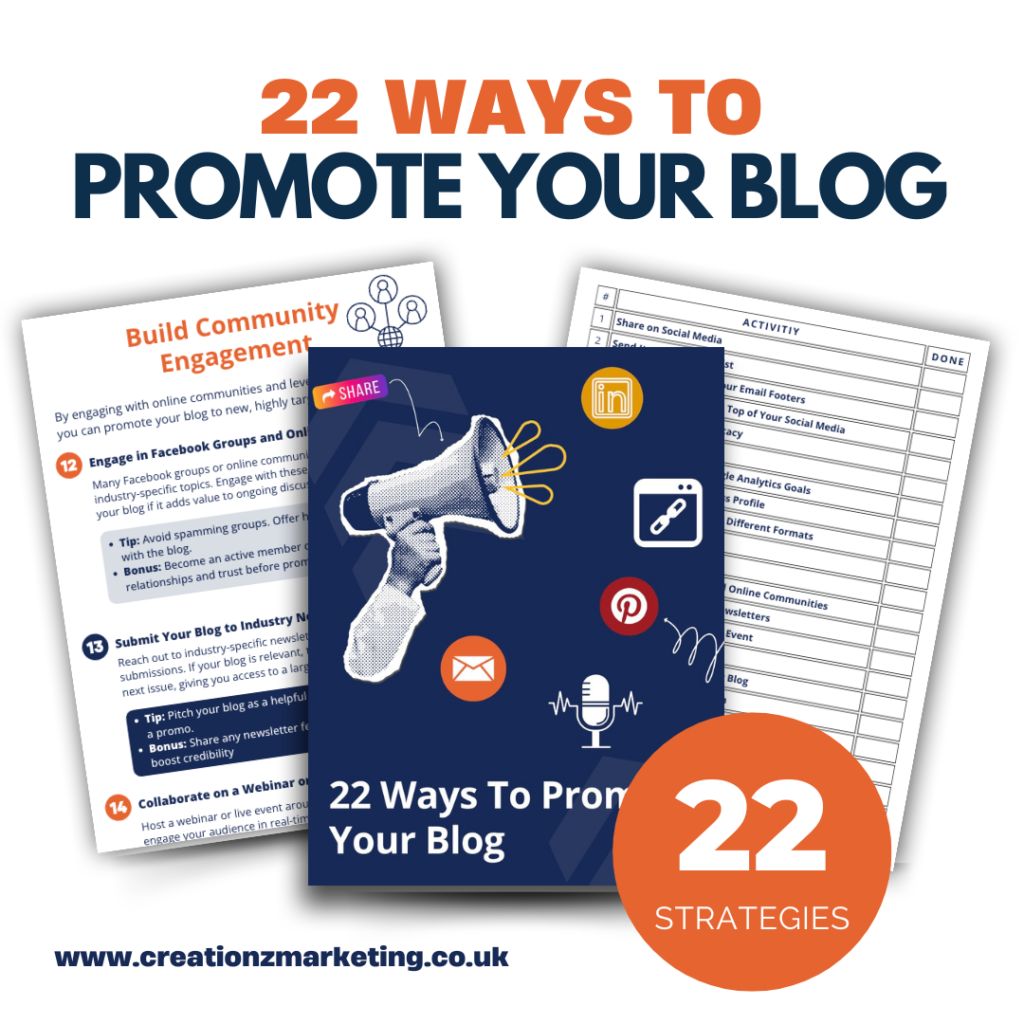
Promoting your blog is just as important as writing it, especially for small businesses that need to maximise their content’s reach. In this sneak peek, we’re sharing the first 6 essential steps from our “22-Step Checklist on How to Promote Your Blog”. These easy-to-implement strategies will help you increase traffic, engage your audience, and make sure your blog reaches its potential.

If you find these helpful, be sure to download the full checklist at the end of this post for a comprehensive guide on how to promote your blog effectively!

1. Share on Social Media

Social media is one of the easiest and most cost-effective ways to promote your blog. Share your blog link on platforms like Facebook, Instagram, LinkedIn, and X (formerly Twitter).

Tip: Post about the blog multiple times over the course of a week, using different quotes or key points from the blog to keep it fresh.

2. Send It to Your Email List

Your email subscribers are already interested in your business, making them ideal candidates to read your latest blog. Sending it directly to their inbox is a sure-fire way to promote your blog.

Tip: Use a catchy subject line like “New Blog: [Blog Title]” to improve open rates.

3. Include a Blog Link in Your Email Footers

Every email you send is an opportunity to subtly promote your blog. Add a link to your latest post in your email signature, making sure it’s always visible.

Tip: Use a simple call-to-action like “Read our latest blog on how to promote your blog: [Blog Title]” in the footer.

4. Leverage Internal Links

A great way to keep readers on your site longer and improve SEO is by leveraging internal links to your other content. Use your new blog to point readers to older related content, and vice versa. This can significantly promote your blog and drive traffic from within your website.

Tip: Link to your latest blog from popular pages or posts that already get consistent traffic to drive more views.

5. Pin Your Blog Post to the Top of Your Social Media

Make sure your blog promotion efforts are front and centre on social media. Most platforms allow you to pin a post to the top of your profile, ensuring that it’s the first thing visitors see.

Tip: Use an engaging headline and eye-catching image to increase click-through rates.

6. Use Pinterest to Drive Traffic

Pinterest is an underrated tool for blog promotion, especially if your blog content includes visuals or is instructional. Promote your blog by creating visually appealing pins that link back to your post.

Tip: Design eye-catching pins using Canva, and use keywords like “how to promote your blog” in the description to make it more searchable.

Ready to Learn More? Download the Full Checklist on How to Promote Your Blog!

These 6 steps are just the beginning! To get the full 22-Step Checklist on How to Promote Your Blog, packed with even more strategies, download our free guide today. Whether you’re looking to improve your social media presence, engage with influencers, or track your blog’s performance, this checklist has got you covered.

22 Ways to Promote Your Blog

Marketing Opportunities for the Next 3 Months: Maximise Your Strategy

Marketing Opportunities for the Next 3 Months: Maximise Your Strategy

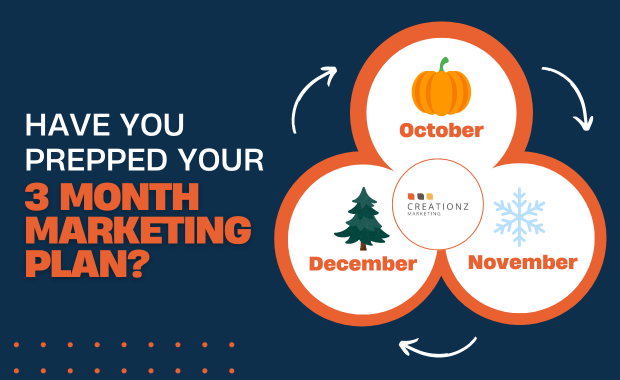
Are you looking for the best marketing opportunities for the next 3 months? Whether you’re planning holiday promotions or simply aiming to increase engagement, the upcoming months are packed with chances to boost your brand visibility.

By focusing on key seasonal trends, strategic campaigns, and the right digital tools, your business can tap into marketing opportunities that drive results and set you up for success.

In this guide, we’ll cover the top marketing opportunities for the next 3 months and actionable tips to help you make the most of them.

Capitalise on Seasonal Trends & Holidays

One of the biggest marketing opportunities in the coming months revolves around seasonal trends and holidays. With events like Halloween, Black Friday, Cyber Monday, and Christmas, there’s definitely no shortage of ways to engage your audience and drive meaningful interactions, both online and offline!

Tips:
  • Create themed content around the season to spark engagement (e.g., Halloween social posts, Christmas gifts).
  • Run limited-time promotions to capitalise on the urgency of holiday shopping.
  • Countdown deals or special offers leading up to major holidays.


Start Early with Your Holiday Campaigns

Get a head start on your holiday marketing by preparing campaigns now. The earlier you launch, the more you can take advantage of early shoppers. This is one of the best marketing opportunities for the next 3 months, as early preparation often leads to greater returns.

Tips:
  • Tease holiday promotions in October to build anticipation.
  • Use retargeting ads to capture potential customers early on. Need help with this? We’re here to help!
  • Offer lead magnets like holiday guides to grow your email list before launching major campaigns.


Leverage User-Generated Content (UGC)

User-generated content (UGC) offers a fantastic marketing opportunity for engaging your audience while also promoting authenticity. Over the next 3 months, encourage customers to share their experiences with your products or services, creating a community feel.


Tips:
  • Run a holiday photo contest where customers share how they use your products.
  • Feature customer reviews in your social media and marketing campaigns.
  • Create a holiday-themed hashtag to encourage User-Generated Content (UGC).

Optimise for Mobile and Social Commerce

With mobile shopping and social commerce on the rise, it’s essential to capitalise on these marketing opportunities. Make sure your website is mobile-friendly, and don’t forget to use social platforms like Instagram and Facebook to showcase shoppable posts. Don’t know what platforms to be on? Check out this blog!

Tips:
  • Ensure your site is responsive and offers a smooth mobile experience.
  • Utilise shoppable social media posts for easy purchase opportunities.
  • Send mobile-optimised email campaigns tailored specifically for holiday promotions to maximise engagement.


Use Video Content to Drive Engagement

Video content is one of the most engaging formats offering huge marketing opportunities for the next 3 months. Whether it’s tutorials, behind-the-scenes content, or live streaming holiday promotions, video is a powerful tool to capture your audience’s attention.

Tips:
  • Create how-to videos or product demos for holiday shoppers.
  • Go live to announce special deals or answer customer questions.
  • Repurpose video content for different platforms like Instagram Reels, YouTube, or Facebook.


Focus on Local SEO for Holiday Traffic

If you’re a local business, focusing on local SEO is one of the best marketing opportunities for the next 3 months. During the holiday rush, many consumers search for local shops or services, and strong local SEO helps you stand out and be visible to nearby customers.


Tips:
  • Update your Google My Business profile with holiday hours, photos, and promotions.
  • Encourage customer reviews to improve your local ranking.
  • Use locally focused keywords in blog posts and landing pages to drive local traffic.

Build Your Social Media Calendar Early!

Having a solid social media calendar is one of the key marketing opportunities to keep your business organised and consistent over the next 3 months. A well-planned calendar ensures you’re posting relevant content and staying active, even during the holiday rush.

Ready to Maximise Your Marketing Opportunities for the Next 3 Months?
Now is the perfect time to take advantage of the many marketing opportunities available in the final months of the year. By planning ahead and utilising the right strategies, you can make a lasting impact and see significant returns.

Need help getting started with your social media marketing?

At Creationz Marketing, we offer a Month-by-Month Social Media Ideas Plan. We’ll provide you with the perfect jumping board to create your own content and make the most of every opportunity. Let us help you stay organised, creative, and on top of your marketing game!

Get in touch today, and let’s get started on maximising your marketing potential!

Please contact us on:

Tel: 0115 8376260
Email: info@creationzmarketing.co.uk

Which Social Media Platform Should My Business Be On and How Often Should I Post?

Which Social Media Platform Should My Business Be On and How Often Should I Post?

In today’s ever changing digital landscape, the sheer number of social media platforms can be overwhelming. How do you decide which ones are right for your business? Spoiler alert: it’s not about signing up for every platform out there.

At Creationz Marketing, we understand the importance of a well-rounded social media strategy that aligns with your goals and audience’s preferences. In this blog, we’ll guide you through the process of selecting the right social media platforms for your business and provide best practices on how often to post to maximise engagement and reach.


Choosing the Right Social Media Platforms for Your Business

The first step in building a successful social media strategy is choosing the platforms that best align with your business and target audience. Here’s a breakdown of the key platforms and which types of businesses they suit best:

Facebook

  • Why Choose Facebook: With over 2.8 billion monthly active users, Facebook is one of the most versatile platforms, offering a broad range of tools for businesses, including business pages, groups, ads, and e-commerce integrations.
  • Best For: Engaging with a broad audience, sharing updates, hosting events, and building a community around your brand.

Instagram

  • Why Choose Instagram: Instagram’s visually-driven platform is perfect for businesses with a strong visual element to their brand. It’s highly effective for showcasing products, behind-the-scenes content and much more.
  • Best For: High-quality images, short-form videos (Reels), Stories, and influencer marketing.

LinkedIn

  • Why Choose LinkedIn: As a professional networking site, LinkedIn is the go-to platform for businesses looking to build thought leadership, connect with industry professionals, and share in-depth, industry-specific content.
  • Best For: Professional networking, B2B marketing, sharing industry insights, and recruiting.

X (But we still call it Twitter)

  • Why Choose X: X’s fast-paced platform is great for real-time updates, customer service, and engaging in conversations around trending topics.
  • Best For: Quick updates, customer service, industry news, and engaging in trending conversations.

TikTok

  • Why Choose TikTok: TikTok’s video-centric platform is ideal for businesses looking to engage audiences with creative, entertaining content. It’s also a great platform for viral marketing.
  • Best For: Short-form video content, challenges, and viral trends.

Pinterest

  • Why Choose Pinterest: Pinterest is a highly visual platform perfect for businesses that can create “pinnable” content, such as infographics, product images, and tutorials. It’s also a powerful tool for driving traffic to your website.
  • Best For: Visual content, infographics, how-tos, and product showcases.

Threads

  • Why Choose Threads: Threads is a relatively new platform. It’s an extension of Instagram, enabling businesses to engage with their audience in more intimate, ongoing discussions.
  • Best For: Building and maintaining strong relationships with your core audience, sharing in-depth updates, and fostering a sense of community.


How Often Should You Post on Each Platform?

Posting frequency can significantly impact your social media performance. Here are some general guidelines on how often to post on each platform (please remember these are general and could be different for your business):

Facebook

  • Recommended Frequency: 3-5 times per week.
  • Why: Posting too frequently on Facebook can lead to decreased engagement. Focus on sharing high-quality, engaging content that resonates with your audience, such as videos, images, and curated articles.

Instagram

  • Recommended Frequency: 3-5 times per week for the main feed; daily for Stories.
  • Why: Instagram’s algorithm favours consistent posting, but it’s also crucial to maintain quality over quantity. Use Stories to share more frequent updates, behind-the-scenes content, and interactive polls or Q&A sessions to engage your audience.

LinkedIn

  • Recommended Frequency: 2-3 times per week.
  • Why: LinkedIn’s audience is typically more professional and less frequent in checking their feeds compared to other platforms. Focus on sharing valuable, industry-related content, such as articles, white papers, and thought leadership pieces.

X (But we still call it Twitter)

  • Recommended Frequency: 1-5 times per day.
  • Why: X is a fast-paced platform where content has a shorter lifespan. Frequent posting can help keep your brand visible and engage with trending topics or conversations. Use a mix of tweets, retweets, and replies to stay active and relevant.

TikTok

  • Recommended Frequency: 3-5 times per week.
  • Why: TikTok’s algorithm favours fresh content, and regular posting can help you build a following and increase your chances of going viral. Focus on creating engaging, creative videos that align with current trends and challenges.

Pinterest

  • Recommended Frequency: 5-10 times per day.
  • Why: Pinterest is a highly visual platform, and frequent pinning can help increase your visibility and drive traffic to your website. Schedule pins throughout the day to maintain a consistent presence and maximise reach.

Threads

  • Recommended Frequency: 2-3 times per week.
  • Why: Given its community-driven nature, Threads works well with less frequent but more thoughtful posts. Engage your audience with meaningful conversations and updates, encouraging interaction and connection.


Tips for Optimising Your Posting Strategy

  • Use Analytics: Regularly review your social media analytics to understand what content resonates best with your audience and adjust your posting frequency accordingly.
  • Quality Over Quantity: It’s better to post less frequently with high-quality content than to post often with low-quality content. Focus on creating valuable, engaging content that your audience will appreciate.
  • Test and Iterate: Don’t be afraid to experiment with different posting times and content types to see what works best for your audience. Social media is dynamic, and what works today might change tomorrow.


Need help crafting a winning social media strategy? Visit our website to find out more about our social media marketing services or get in touch with a member of the team at Creationz Marketing today!